From Noise to Signal: A Systematic Approach to AI Adoption
Architect the Foundation
Before AI can work, data must be structured. I build the knowledge architecture that makes everything else possible.
Distribute the Workload
Smart triage logic ensures the right work reaches the right human at the right time. No more bystander effect.
Performance Insights in Real-Time
Condense feedback loops from quarters to days. AI-assisted insights that help humans improve continuously.
Unify the Ecosystem
The end state: one intelligent hub where AI and humans collaborate seamlessly. The Case Record becomes the dashboard.
Architect's Statement
My approach to systems began with AB Literature—analyzing complex human intent to extract 'signal' from a sea of context. I realized early on that code is simply uncompromisingly literal prose; a dialect with rigid syntax that often lacks the semantic weight of human intent.
In other words—it is merely a set of instructions.
Generative AI has amplified the scale of these instructions, but it hasn't changed the fundamental
truth: AI can draft content at lightning speed, but it remains a mirror of data—not a master of
outcomes. In an era of automated volume, the true bottleneck is no longer execution; it is the human
direction required to navigate it.
I don't just deploy technology; I architect the adoption frameworks that make it usable for the
people on the front lines. My goal is to bridge the gap between enterprise-scale logic and the human
experience, ensuring that as we automate the "noise," we are simultaneously empowering the
"signal"—the talented individuals who drive our success.
AI is the Tool. We are the Equipment.
Architecting the Foundation
The Pain (The Noise)
Our support floor faced a 6-month onboarding curve. Because our SaaS/PaaS environment is infinitely flexible, traditional static documentation simply could not scale to cover every edge case. Frontline Reps were forced to rely on memory and case-by-case interpretation rather than standardized workflows.
The Strategy
- Cognitive Load Reduction: Transitioned from a "memorization-heavy" culture to a "resource-navigational" culture, reducing new-hire anxiety and burnout during the first 90 days.
- Democratizing Subject Matter Expertise: Formalized "Tribal Knowledge" into a searchable, lifecycle-based architecture, ensuring junior Frontline Reps had the same decision-making confidence as tenured Frontline Reps.
The Patch
- Incentivizing Documentation: Shifted the team's performance focus from "ticket volume" to "knowledge contributions," rewarding agents for identifying and fixing informational decay in real-time.
- Feedback-Driven Iteration: Established a bi-weekly "Friction Forum" where Frontline Reps could flag rigid workflow steps, ensuring the systems architecture evolved based on actual human pain points.
The Lifecycle Thread
The Workload Distributor
The Pain (The Bystander Effect)
Critical Initial Response SLAs were being missed, negatively impacting our Customer Effort Scores. In high-volume, high-severity global queues, static assignment rules create operational ambiguity. This lack of automated workload balancing naturally led to the "Bystander Effect"—not out of neglect, but because triage responsibilities were implicitly, rather than explicitly, defined.
The Strategy
- Defining "Fairness" Together: Partnered with Frontline Reps to understand the true cognitive load of different ticket types, moving beyond simple severity metrics.
- Utilized Generative AI to script the logic and compute weights against 2 years of sanitized historical data.
The Patch (The Solution)
- Integrated the tool’s base point and multiplier logic into a transparent Saved Search sequencer, establishing an automated 'Fair Burden' queue validated by real-time state tracking in Slack.
- Eliminated queue ambiguity, allowing Frontline Reps to focus their energy entirely on technical problem-solving rather than queue-watching and cherry-picking.
The Distribution Thread
Security Note: To respect high-scale data privacy and NDAs, all names, metrics, and proprietary information in these tools have been replaced with simulated mock data.
The Weekly Insight Generator
The Pain (The Noise)
Performance Scorecards are inherently designed for macro-level executive visibility, not agile frontline enablement. Because performance data was aggregated quarterly at a massive scale, it took a month just to review for fair exclusions. For the Frontline Reps, receiving feedback on 4-month-old cases felt punitive rather than constructive—the operational context was already lost, making improvement impossible.
The Strategy
- Closing the Enablement Gap: Transitioning performance management from a "quarterly lagging indicator" into an active calibration loop.
- Leveraged Generative AI to architect a data transformation pipeline that condenses 90-day feedback into 7-day cycles, putting actionable data directly into the hands of the team.
The Patch (The Solution)
- Engineered a secure, local application that generates individualized, private PDF insights for each Frontline Rep.
- Empowered the Frontline Reps with weekly visibility into their QTD metrics, allowing them to proactively steer their own trajectory and advocate for fair CSAT exclusions before the end-of-quarter scramble.
The Insight Thread
Security Note: To respect high-scale data privacy and NDAs, all names, metrics, and proprietary information in these tools have been replaced with simulated mock data.
The Unified AI-Native Operations Hub
The Concept: While Case Studies 1-3 represent deployed foundational architecture, this Command Center is a down-the-road conceptual roadmap. It represents the necessary evolution of Support Operations.
The goal is to synthesize onboarding logic, triage distribution, and performance insights into a single, human-in-the-loop workspace. By integrating RAG-connected AI coaching directly into the case record, we drastically reduce the Frontline Rep's cognitive load. This is what it looks like to build the "equipment" that allows human experts to focus entirely on complex problem-solving and customer empathy.
Reviewed webhook payload structure. All fields present and formatted correctly. No schema violations detected. Payload size: 2.4KB (within limits).
Account volume analysis: 2,400 orders/day processed. Customer hitting daily processing cap. Webhooks failing with capacity errors after threshold.
Webhook endpoint https://client-domain.com/webhook/inventory responds with 200 OK. Average response time: 340ms. No connectivity issues.
// Webhook handler
def process_webhook(payload):
    order_data = json.loads(payload)

    # Update inventory
    for item in order_data['items']:
        update_stock(item['sku'], item['qty'])

return 200The Toolkit
Operational Excellence
- Operational Frameworks
- Process Architecture
- SLA Design & Monitoring
- Change Management
- Knowledge Management
- AI Adoption Strategy
AI & Systems Architecture
- Vector Logic & State
- Pinecone
- Firebase
- Knowledge Graphing
- Obsidian
- System Routing
- Cross-Platform Integration
- API & Webhooks
Strategic Stack
- Frontier Models
- Gemini 3.1
- Claude Sonnet 4.6
- Kimi K2.5
- Local & Secure Execution
- Ollama
- LM Studio
- Qwen 3.5 9B
- Development Environment
- Antigravity IDE
The Human Hardware
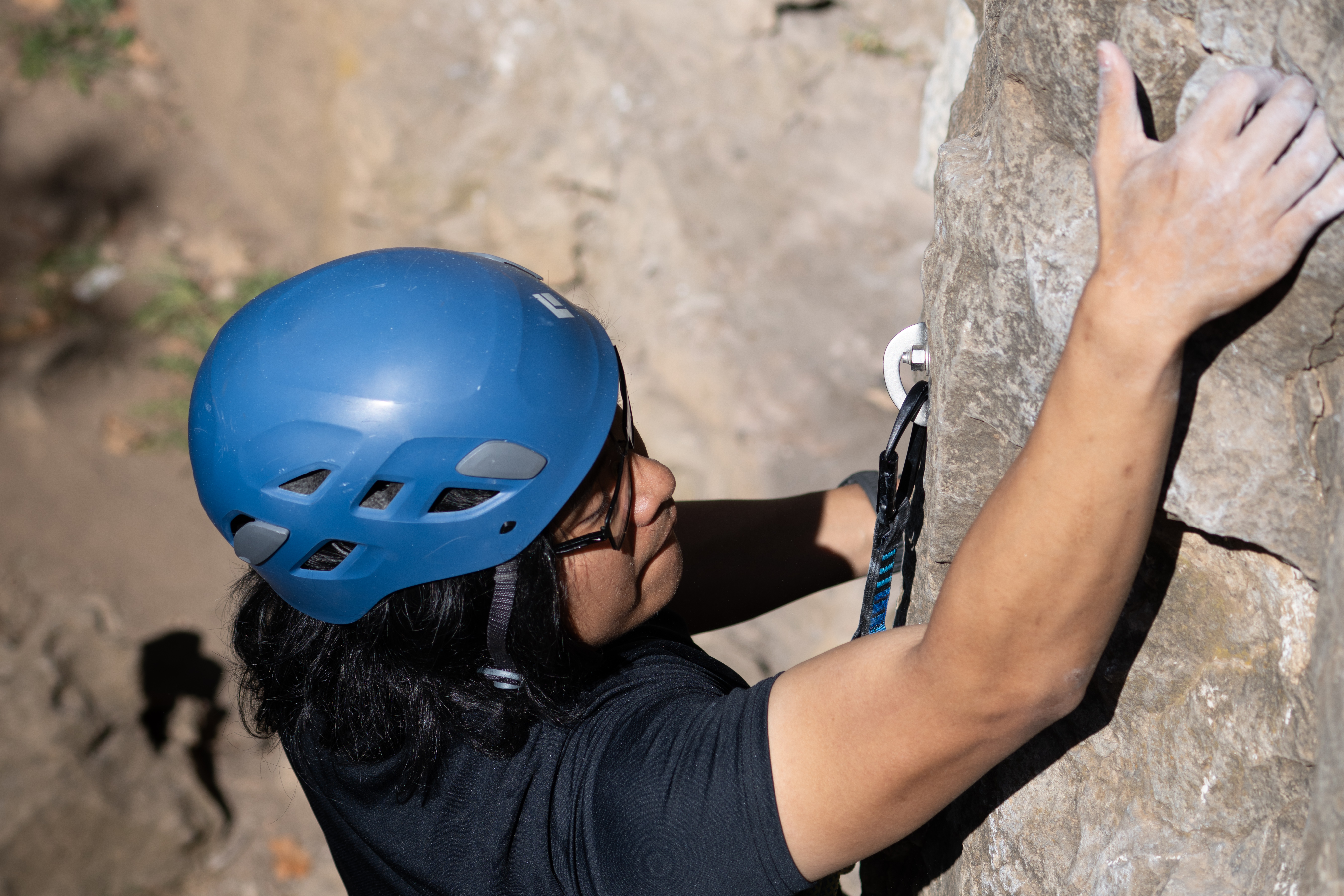
The Physical Puzzle
Rock climbing is not simply just a sport. It's a puzzle you get to solve after falling off the wall a hundred times. Mindset, strength, stamina, mobility, body position—they all have to mesh perfectly together.
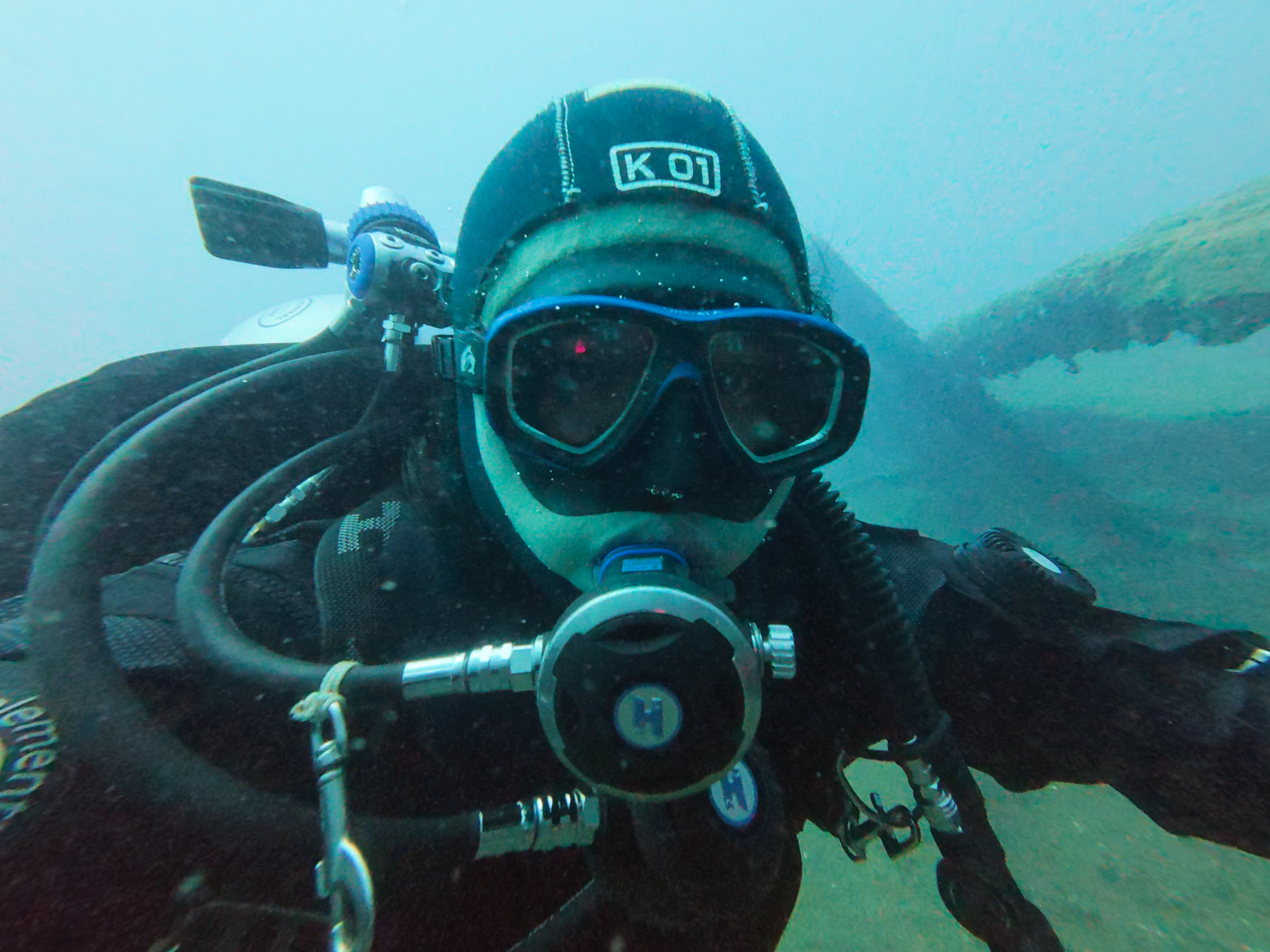
The Quiet State
When all is said and done—and my gear and I are perfectly in sync—my breathing calms and the silence of being underwater kicks in. It all just becomes quiet.
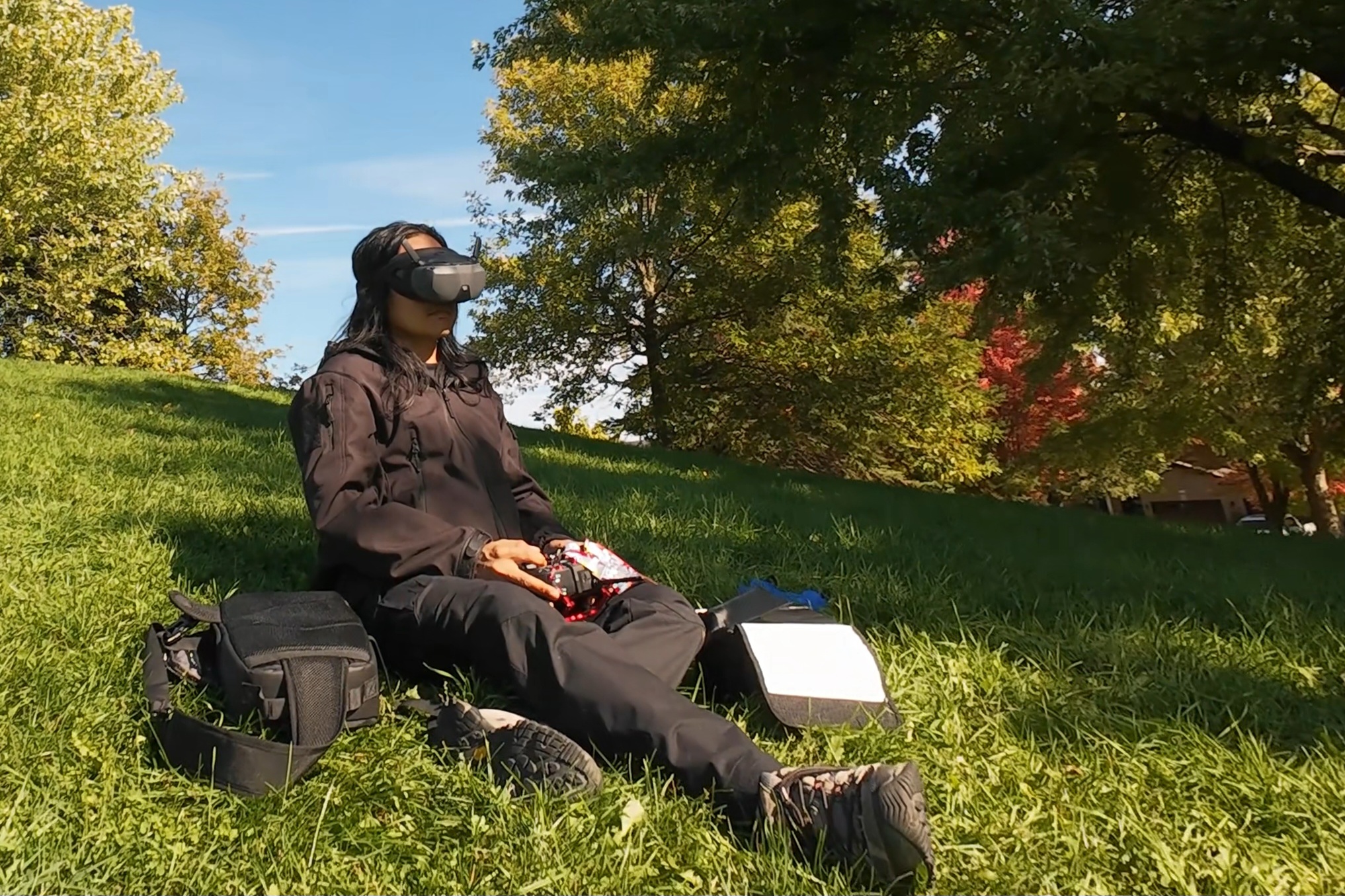
The Feedback Loop
Ironically, this is my most stationary hobby, but it has the highest exhilaration-per-mAh. Once I don my goggles, power on the remote, and the connection locks in—off to do powerloops, orbits, and Split-Ss I go.